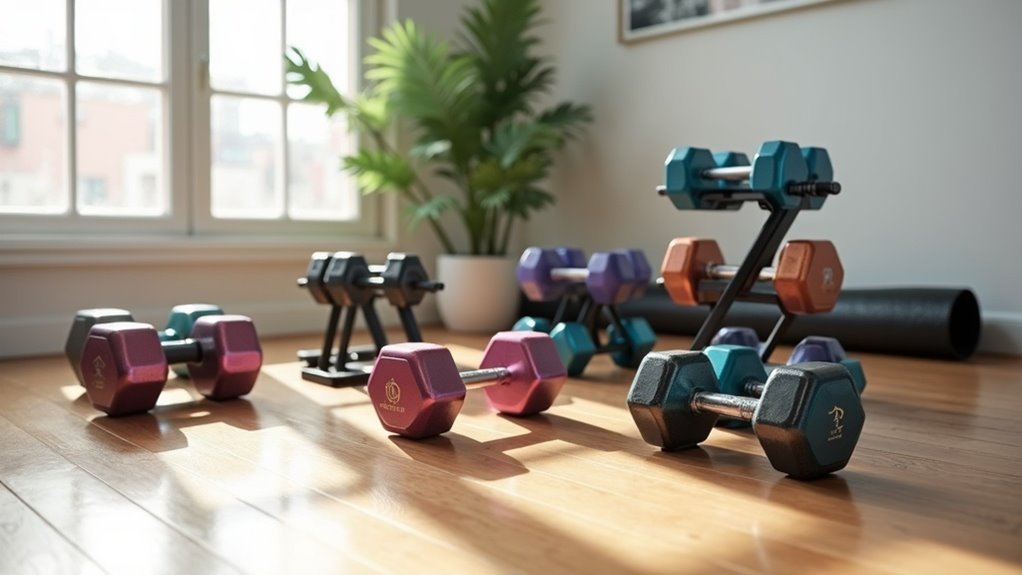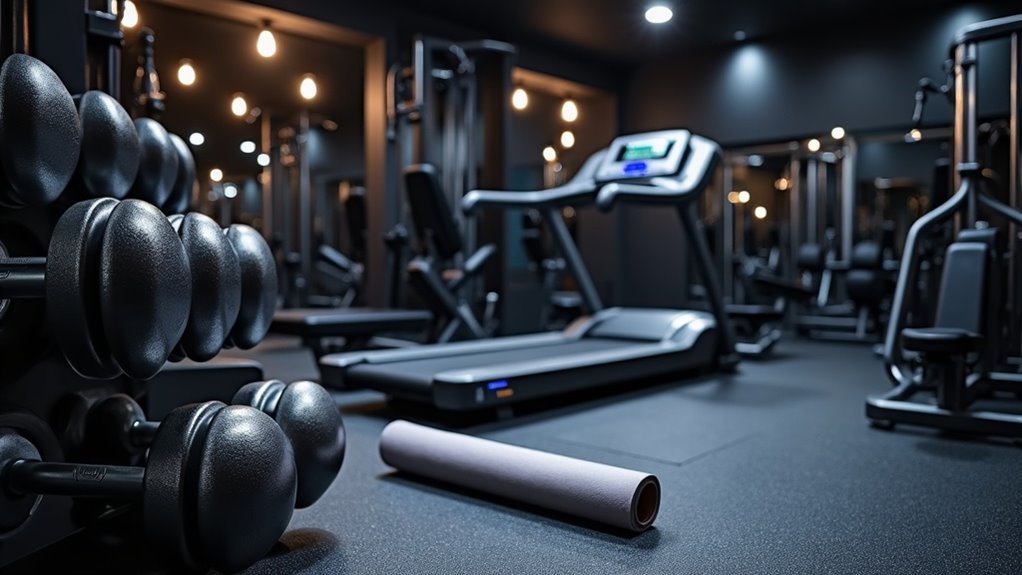
Home gym equipment can be quite expensive, and this is largely due to several key factors. The use of high-quality materials ensures that the equipment is durable and can withstand intense workouts, making it a worthwhile investment for both men and women looking to enhance their fitness routines at home. Additionally, rigorous safety testing is conducted to guarantee that the equipment performs safely and efficiently, which is crucial for preventing injuries during workouts.
Advanced technology also drives up the cost, as many modern machines come equipped with features that can track your progress, provide workout guidance, and enhance your overall fitness experience. Furthermore, rising production costs, economic inflation, and supply chain disruptions contribute to the pricing of home gym equipment.
While the initial investment may seem high, it’s important to remember that you are paying for equipment that is designed to last and to support your health and wellness goals. By understanding these deeper reasons behind the costs, you can make informed decisions that positively impact your fitness journey at home.
Key Takeaways
- The use of high-quality materials and comprehensive testing ensures safety and performance, which naturally increases the production costs of home gym equipment designed for your fitness journey.
- Escalating production costs due to supply chain disruptions and inflation have a significant effect on the pricing of home gym gear, making it essential to consider your investment.
- Cutting-edge technology and innovative materials necessitate considerable investment in research and development, which contributes to the overall costs of the equipment you choose for your home workouts.
- The surge in demand for fitness products during the COVID-19 pandemic has resulted in notable price increases for home gym equipment, reflecting the need for effective at-home exercise solutions.
- Regular maintenance and protective measures for outdoor storage are important factors that contribute to the long-term investment required for high-quality gym equipment that supports your health and fitness goals.
Understanding the Manufacturing Process
When considering the investment in home gym equipment, understanding the manufacturing process is crucial, as it directly affects the costs.
Manufacturers focus on using high-quality materials such as high-grade steel and durable plastics, which enhance the longevity and performance of the equipment. While these premium materials may increase the overall cost, they ensure that your home gym gear can withstand intense workouts.
Each piece of equipment undergoes rigorous testing to guarantee safety and performance, contributing to production costs. Additionally, compliance with industry regulations incurs further expenses, which is reflected in the price tags of quality products.
By choosing high-quality equipment, you aren’t only investing in durability but also securing better value for your fitness journey at home.
Whether you’re a beginner or an experienced fitness enthusiast, quality equipment can help you achieve your health and fitness goals effectively.
Factors Affecting Pricing
Understanding the manufacturing process is crucial for grasping the various factors that influence pricing in the home gym equipment market, which is essential for anyone looking to maintain a healthy lifestyle through exercising at home. Prices have surged due to rising production costs, limited supply chains, and heightened demand for home fitness solutions. Additionally, the incorporation of advanced materials and cutting-edge technology necessitates substantial investment in research and development.
| Factor | Impact on Price |
|---|---|
| Materials | Higher quality, costlier |
| Manufacturing | Smaller runs, higher costs |
| Logistics | Increased shipping fees |
| Research & Development | Essential for innovation |
These factors combined create a complex pricing landscape, making it important for consumers to be informed as they invest in their home gym equipment.
Meeting Safety and Regulatory Standards
To ensure your home gym equipment is safe and reliable, it’s essential that manufacturers adhere to rigorous safety and regulatory standards. Meeting these standards requires significant investment in testing and certification, focusing on high-quality materials like reinforced frames and secure locking mechanisms, which can increase production costs.
Additionally, prioritizing electrical safety and structural integrity plays a crucial role in the overall pricing. By following these standards, manufacturers not only comply with regulations but also significantly reduce the risk of injury, allowing you to exercise with peace of mind.
While this may raise costs, it ultimately justifies the investment in quality gym equipment designed to enhance your health and safety during workouts at home.
The Longevity and Maintenance of Gym Equipment
Investing in high-quality home gym equipment is essential for enhancing safety and ensuring its durability for both men and women looking to maintain a healthy lifestyle through home workouts.
Regular maintenance is crucial; neglecting it can lead to wear and tear, performance issues, and increased risks of accidents. Equipment made from high-quality materials and solid construction can endure rigorous use, typically extending its lifespan to five to twelve years.
However, routine cleaning and timely repairs are key to maximizing durability. Keep in mind that repair costs can add up, impacting your overall investment.
Investing in Quality for Long-Term Use
When you prioritize quality in your home gym equipment, you not only secure durability but also create a safer workout environment for both men and women.
Investing in high-quality gear made from premium-grade materials ensures longevity, with lifespans ranging from five to 12 years. While the initial costs may be higher, this financial decision pays off through reduced maintenance expenses and enhanced safety features.
Superior materials and precision engineering contribute to long-term value by minimizing injury risks and equipment failures.
Ultimately, choosing quality equipment means you’ll enjoy a reliable workout experience that stands the test of time, making it a wise investment for your fitness journey at home.
Costs Associated With Repairs and Servicing
When you own home gym equipment, understanding repair frequency and serviceability is essential for managing costs effectively.
Regular maintenance not only helps prevent performance issues but also avoids expensive repairs.
Choosing equipment designed for easy servicing can significantly lower long-term expenses, allowing you to focus on your fitness journey.
Repair Frequency Considerations
Neglecting regular maintenance can lead to significant repair costs and service issues for your home gym equipment, which can hinder your fitness journey.
High repair frequency often results from heavy usage, accelerating wear and tear. Investing in durable equipment with built-in serviceability features can help reduce long-term maintenance costs, but keep in mind that parts may not always be readily available.
While the initial cost may seem steep, consider the downtime costs when your favorite machines are out of service. Prioritizing maintenance is essential to preserve functionality and safety, ultimately saving you money and keeping your home gym running smoothly.
Don’t underestimate the importance of regular upkeep for the longevity of your equipment, as it’s key to maintaining an effective workout routine at home.
Serviceability of Equipment
Maintaining your home gym equipment is crucial for ensuring a smooth and effective workout experience. The serviceability of your equipment significantly impacts repair costs and minimizes downtime, allowing you to stay committed to your fitness goals.
Equipment that’s built to last typically offers better serviceability, making repairs and part replacements much simpler and more affordable in the long run.
Regular maintenance can’t be overlooked; if neglected, it can lead to performance issues and increased repair expenses.
Furthermore, having access to parts and reliable service support is vital to avoid delays and keep your workouts on track.
Outdoor Storage: Feasibility and Considerations
Storing gym equipment outdoors can seem like a convenient solution for home fitness enthusiasts, but it comes with significant risks that both men and women should contemplate. Weather exposure can lead to rust and corrosion, which can compromise the integrity of your equipment. Additionally, security concerns increase vulnerability to theft, especially if you have invested in high-quality gear. Maintenance challenges arise as outdoor conditions can accelerate wear and tear, demanding frequent upkeep to ensure your equipment remains functional.
To mitigate these risks, consider implementing protective measures such as weather-resistant coverings and secure locks. It’s also important to assess the suitability of your fitness equipment for outdoor storage; not all items are designed to withstand the elements. Here’s a quick overview of the potential risks and protective measures to consider:
| Risk Factors | Impact on Equipment | Protective Measures |
|---|---|---|
| Weather Exposure | Rust, corrosion | Weather-resistant coverings |
| Security Concerns | Theft, vandalism | Locks and secure storage options |
| Maintenance Challenges | Increased wear | Regular inspections and upkeep |
Market Trends Influencing Prices
As you evaluate the implications of outdoor storage for your home gym equipment, it’s vital to grasp the market trends influencing the prices of these essentials.
The COVID-19 pandemic triggered a remarkable 71% increase in search interest for home fitness gear, resulting in heightened demand and notable price hikes. For example, prices for exercise bikes have surged by over 180% in the last decade.
The average yearly inflation rate of 4.6% further adds to these costs. Moreover, import tariffs and supply chain disruptions have contributed an additional 15-25% to the prices.
As consumer expectations rise, particularly with brands like Peloton setting new standards, the dynamics of the fitness industry continue to drive up costs for home gym equipment, impacting both men and women looking to maintain their health from the comfort of their homes.