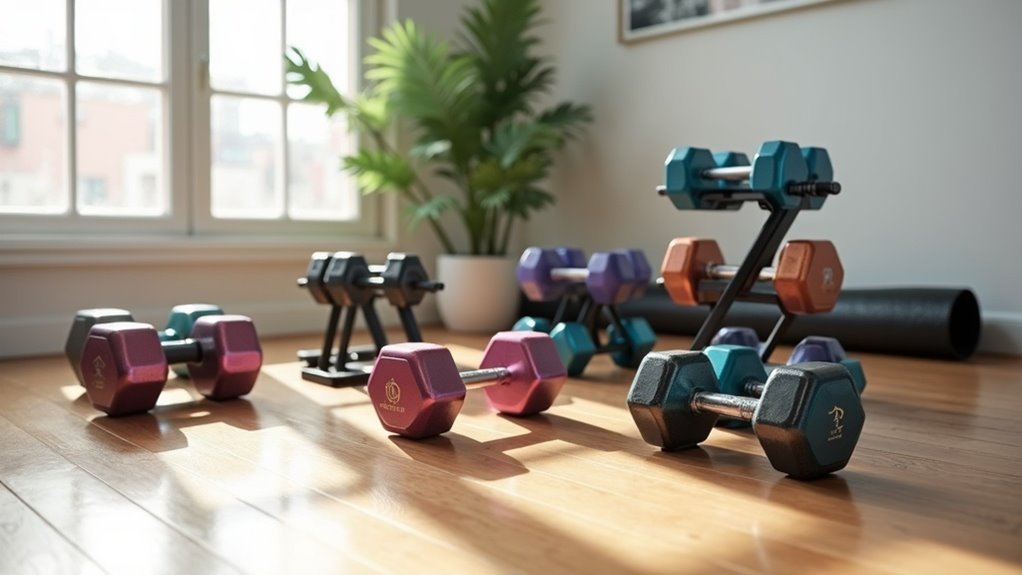
Yes, home gym equipment can be tax-deductible if you’re self-employed and the equipment is essential for your business. It’s important to document your usage and maintain detailed records to support your claims. Additionally, if your equipment is prescribed by a doctor for a medical condition, you may qualify for medical deductions, but only for amounts exceeding 7.5% of your adjusted gross income. Stay tuned to learn more about how you can maximize these deductions while investing in your health and fitness journey at home!
Key Takeaways
- Home gym equipment can be tax-deductible for self-employed personal trainers as necessary business expenses, making it an excellent investment for those looking to enhance their fitness journey at home.
- If you have a medical condition, equipment prescribed by a doctor may qualify for medical expense deductions, provided that costs exceed 7.5% of your adjusted gross income.
- To substantiate your deductions, it’s important to maintain detailed records of your equipment usage, any income generated from home training sessions, and the location of the equipment.
- Under Section 179, you may be able to fully deduct qualifying equipment in the year you purchase it, and items costing under $300 can be deducted on Schedule C.
- For personalized guidance, consulting a tax professional can help clarify eligibility and maximize your deductions related to home gym expenses, ultimately supporting your commitment to staying healthy through home workouts.
Understanding Tax Deductions for Home Gym Equipment
When considering whether home gym equipment can be tax-deductible, it’s essential to understand the specific criteria that apply. For self-employed personal trainers, the IRS allows deductions for equipment deemed necessary for business operations.
It’s crucial to maintain detailed records of usage to substantiate these business expenses. Additionally, if a doctor prescribes gym equipment for a medical condition, you may qualify for medical expense deductions, provided these expenses exceed 7.5% of your adjusted gross income.
Moreover, if you don’t fully deduct the equipment in the purchase year, you can also depreciate it under MACRS. Whether you’re a man or woman looking to enhance your health and fitness, being informed about these potential deductions can help you make the most of your home gym investment.
Personal Deductions for Home Gym Equipment
While understanding tax deductions for home gym equipment offers valuable insights, personal deductions operate under different parameters. You can only deduct home gym equipment as a medical expense if prescribed by a doctor for specific conditions, such as high blood pressure or diabetes. It must primarily serve to treat that condition, and only expenses exceeding 7.5% of your adjusted gross income are tax deductible. Here’s a quick overview:
| Criteria | Deductible? | Documentation Required |
|---|---|---|
| Medical equipment | Yes, with prescription | Receipts, prescription letter |
| Fitness equipment | No | N/A |
| Business use | Yes, if applicable | Business records |
Accurate documentation is essential for substantiating claims related to medical expenses. For those looking to invest in home gym equipment to enhance their fitness journey, it’s important to know that while personal fitness gear isn’t deductible, the benefits to your health and well-being are invaluable. Embracing an active lifestyle at home not only supports physical fitness but can also contribute to overall mental wellness.
Business Deductions for Home Gym Equipment
If you’re looking to enhance your fitness journey at home, investing in gym equipment can’t only elevate your workouts but also offer potential financial benefits.
For self-employed individuals in the fitness industry, you may be able to deduct the cost of home gym equipment as a business expense, which can positively influence your overall finances. The IRS code allows for these deductions if the equipment is deemed ordinary and necessary for your business operations.
It’s essential to maintain detailed records of how you use the equipment, including the time spent exercising, the location, and any income generated from your fitness services.
Under Section 179, you can fully deduct the cost of your gym equipment in the year you purchase it, subject to specific limits. Moreover, items that cost less than $300 can be directly deducted on Schedule C of Form 1040, making it easier to manage your business-related expenses.
Whether you’re a man or woman dedicated to staying fit at home, accurate documentation and understanding of these deductions can support your health goals while also benefiting your financial situation.
Requirements for Claiming Deductions
Claiming deductions for home gym equipment requires an understanding of specific criteria depending on whether the expenses are categorized as medical or business-related. For medical deductions, your equipment must be prescribed by a doctor and primarily used to treat a condition, exceeding 7.5% of your adjusted gross income (AGI). For business expenses, ensure your gym equipment is considered ordinary and necessary for your work, with detailed record-keeping to support your claim. Under Section 179, you may be able to fully deduct qualifying equipment in the purchase year.
| Category | Requirements |
|---|---|
| Medical Deductions | Doctor’s prescription required |
| Business Expenses | Ordinary and necessary usage |
| Tax Deductions | Exceed 7.5% of AGI for medical claims |
| Record-Keeping | Maintain receipts and usage logs |
| Section 179 | Full deduction available in the purchase year |
Types of Equipment Eligible for Deductions
When considering home gym equipment for tax deductions, it’s essential to know which items qualify. Generally, gym equipment such as weights, treadmills, and exercise machines can be eligible for deductions.
If you’re self-employed in the fitness industry, you can deduct these as business expenses, provided they’re necessary for your work. Personal trainers can also claim deductions for equipment used exclusively for their business.
Remember, the IRS classifies gym equipment as seven-year property, allowing for depreciation deductions. Additionally, if prescribed by a doctor for medical conditions, certain equipment may qualify as a medical expense, which requires a written prescription to claim tax deductions.
Investing in your home gym not only supports your fitness journey but can also provide potential tax benefits!
Record Keeping for Tax Deductions
Accurate record keeping is essential for claiming tax deductions on your home gym equipment, which can help you stay healthy and fit right from the comfort of your home.
To maximize your deductions, gather all receipts, invoices, and any relevant documentation, such as prescriptions for medical deductions, to support your claims.
Organizing these records by expense type will streamline the process when it’s time to file your taxes, ensuring you get the most out of your investment in your health and fitness.
Importance of Accurate Records
Maintaining thorough records is essential for anyone looking to deduct home gym equipment expenses on their tax return. Accurate records, including receipts and invoices, are crucial for substantiating your tax deductions.
Documenting the usage and purpose of your equipment reinforces that it’s primarily for health and fitness purposes. For instance, keeping a workout log can help clarify your commitment to staying healthy while exercising at home.
If you’re claiming medical expense deductions, be sure to retain the doctor’s prescription alongside your purchase documents. It’s also important to track the time your equipment is used for fitness versus personal use, as only the portion used for health-related activities qualifies.
Consulting a tax professional can streamline this process and ensure you remain compliant while maximizing your deductions.
Required Documentation Types
To successfully claim tax deductions for home gym equipment, it’s important to gather specific documentation that supports your claims.
Start with detailed receipts that show the purchase price and date of your equipment. If you’re claiming gym equipment as a medical expense, don’t forget to include a written prescription from your doctor.
For those looking to make business-related deductions, it’s crucial to maintain thorough records of equipment usage, noting the time, place, purpose, and any income generated.
If you’ve made modifications to your home gym space for home office deductions, be sure to calculate the percentage of the space used for business purposes.
Lastly, keep a comprehensive log of all related expenses, including utilities and maintenance, to back up your claims on your tax return.
Organizing Expenses Efficiently
When organizing your home gym expenses for tax deductions, it’s crucial to adopt a systematic approach that simplifies the process and maximizes your savings. Begin by keeping comprehensive records of all gym equipment purchases and usage logs to demonstrate their importance in maintaining your health. Categorize your expenses to make calculations easier come tax time.
| Expense Category | Examples |
|---|---|
| Equipment | Treadmill, weights, resistance bands |
| Utilities | Electricity, water, heating |
| Maintenance | Repairs, cleaning |
Regularly update your records digitally for quick and easy access. Make sure to retain documentation for at least three years, and consider consulting a tax professional to ensure you’re making the most of your deductions related to home gym expenses. Staying fit and healthy at home not only benefits your well-being but can also lead to significant savings come tax time!
Consulting a Tax Professional
How can you ensure you’re maximizing your tax deductions for home gym equipment? Consulting a tax professional is essential.
They can clarify whether your equipment qualifies as business expenses or falls under medical deductions based on how you use it. Tax professionals are well-versed in the IRS regulations regarding ordinary and necessary expenses, ensuring you stay compliant with tax laws.
They also provide guidance on maintaining accurate records, such as receipts and prescriptions, which are crucial for claiming deductions.
Additional Considerations for Home Gym Equipment Deductions
When considering deductions for your home gym equipment, it’s essential to understand the specific requirements for both medical and business use.
If your doctor prescribes your equipment to help with a medical condition, be sure to keep proper documentation.
For self-employed individuals, it’s important to demonstrate how the equipment is necessary for your business operations.
Regardless of the purpose, accurate record-keeping is vital for substantiating any deductions you claim, ensuring you stay compliant with tax regulations while investing in your health and fitness.
Doctor’s Prescription Requirement
What do you need to know about the doctor’s prescription requirement for deducting home gym equipment? To qualify for tax deductions on gym equipment as medical expenses, you must obtain a written doctor’s prescription from a qualified healthcare provider.
This prescription should indicate that the equipment is intended for treating or preventing a medical condition, such as high blood pressure or diabetes.
It’s important to note that only the portion of your medical expenses that exceeds 7.5% of your adjusted gross income can be deducted.
Keeping accurate records of the prescription and related expenses is crucial for substantiating your claims when filing your taxes.
Embrace your home workout journey while also considering the potential financial benefits through tax deductions!
Business vs. Medical Use
While home gym equipment can provide significant health benefits for both men and women, understanding the distinctions between its business and medical use is essential for maximizing potential tax deductions. Here are key considerations:
- Equipment used for business purposes qualifies as a necessary business expense and can be fully deducted under Section 179, making it a smart investment for those running a fitness-related business or offering personal training services.
- Medical expense deductions apply only if the equipment is prescribed by a doctor for specific health conditions, emphasizing the importance of consulting a healthcare professional if you’re considering this route.
- It’s crucial to document all usage for mixed-use scenarios to meet IRS regulations, ensuring you maintain records that clearly outline how the equipment is utilized.
- Keep in mind that medical deductions only apply to costs that exceed 7.5% of your adjusted gross income (AGI), which is an important factor to consider when evaluating your tax strategy.
Careful differentiation between the business and medical uses of your home gym equipment is vital for compliance and maximizing your deductions while promoting a healthy lifestyle through home exercise.
Record Keeping Importance
To maximize your tax deductions for home gym equipment, maintaining precise records is essential. Document every purchase, including receipts and any necessary prescriptions. Clearly indicate whether the primary use of your equipment is for medical needs or business purposes. Here’s how to effectively organize your records:
| Item Purchased | Date of Purchase | Purpose (Medical/Business) |
|---|---|---|
| Example: Treadmill | MM/DD/YYYY | Medical |
| Example: Weights | MM/DD/YYYY | Business |
| Example: Bike | MM/DD/YYYY | Medical |
For both men and women looking to stay healthy through exercising at home, consulting a tax professional can help ensure you’re documenting everything correctly and maximizing your deductions. Keep your records in order, and enjoy the benefits of your home gym while being financially savvy!