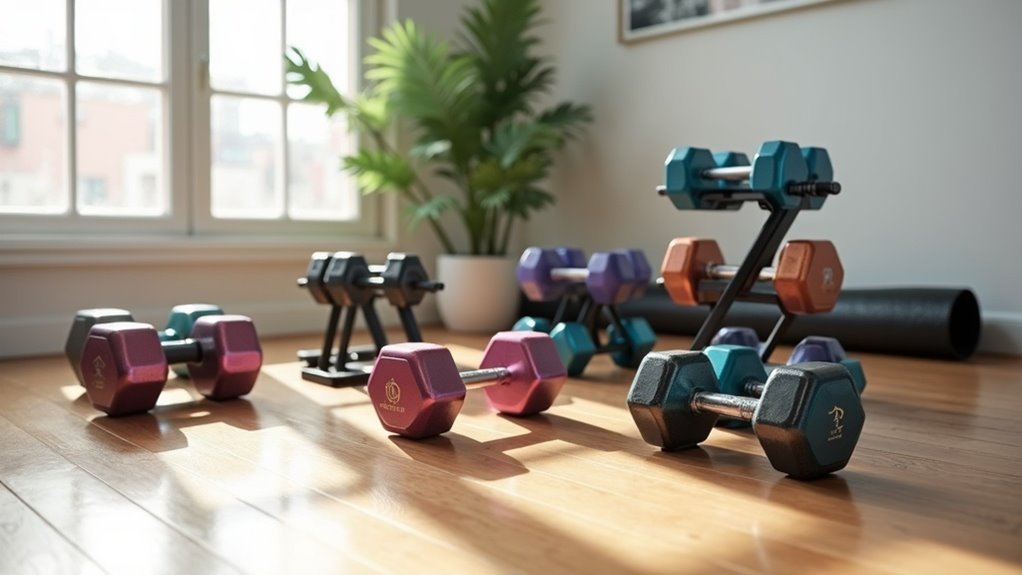
Yes, home gym equipment can be FSA eligible, but it must meet specific medical requirements. To qualify, you’ll need a Letter of Medical Necessity from your healthcare provider that outlines your medical condition and how the equipment aids in your treatment. Commonly eligible items include treadmills and dumbbells, which can be beneficial for conditions like obesity or arthritis. Understanding these guidelines is crucial to maximize your benefits. Explore more about eligible equipment and the submission processes to help you save money while investing in your health and fitness journey at home.
Key Takeaways
Home gym equipment can be FSA eligible if you have a Letter of Medical Necessity (LMN) from a healthcare provider. Items such as treadmills and stationary bikes can qualify for reimbursement if you have specific medical conditions like obesity or cardiovascular disease. To ensure you can claim these expenses, you’ll need to provide the LMN along with a purchase receipt that includes item details and the date of purchase.
Eligible conditions for reimbursement include chronic pain management, post-surgery recovery, and mental health conditions. To maximize your benefits, remember to submit your claims promptly, along with all necessary documentation, to the FSA administrator for review and potential reimbursement. Staying healthy through exercise at home not only supports your fitness goals but can also offer financial benefits through your FSA.
Understanding FSA Eligibility for Home Gym Equipment
When considering home gym equipment to boost your health and fitness routine, it’s crucial to understand its eligibility for Flexible Spending Account (FSA) reimbursement.
Generally, only equipment deemed eligible by a healthcare provider based on a specific medical condition qualifies for reimbursement. To ensure you maximize your FSA benefits, you’ll need a Letter of Medical Necessity, which details how the equipment supports your treatment plan.
For example, items like treadmills or stationary bikes might qualify if prescribed for conditions such as obesity or cardiovascular disease.
Always consult your healthcare provider to confirm the necessity of your equipment and obtain the necessary documentation, empowering you to achieve your fitness goals while making the most of your FSA.
The Importance of a Letter of Medical Necessity
Obtaining a Letter of Medical Necessity (LMN) is a crucial step for men and women looking to secure FSA reimbursement for their home gym equipment. This essential document validates your medical need for exercise and ensures that your expenses are eligible for reimbursement.
Here’s why an LMN is important for your fitness journey:
- Confirms your medical diagnosis
- Details how the equipment supports your treatment plan
- Specifies the frequency of usage to effectively manage your condition
- Must be issued by a licensed healthcare provider
- Required alongside your purchase receipt for reimbursement
Don’t underestimate the importance of the LMN; it’s your gateway to accessing funds for the home gym equipment you need to maintain your health and well-being.
Types of Home Gym Equipment That May Qualify
If you’re aiming to boost your fitness journey while effectively utilizing your FSA funds, it’s crucial to understand which types of home gym equipment qualify for reimbursement. Equipment such as treadmills, stationary bikes, and adjustable dumbbells may be eligible with a Letter of Medical Necessity. Here’s a quick overview tailored for both men and women looking to stay fit at home:
| Equipment Type | Qualifying Conditions | Documentation Needed |
|---|---|---|
| Treadmills | Cardiovascular issues | Letter of Medical Necessity |
| Adjustable Dumbbells | Osteoporosis, arthritis | Letter of Medical Necessity |
| Resistance Bands, Yoga Mats | Rehabilitation programs | Prescription |
Enhancing your home gym setup not only promotes better health but also maximizes your investment in your well-being.
Conditions That Support FSA Reimbursement for Exercise Equipment
Understanding the medical conditions that support FSA reimbursement for exercise equipment can significantly enhance your investment in a home gym.
Men and women alike can benefit from utilizing exercise equipment to improve their health and wellness. If you obtain a Letter of Medical Necessity from your healthcare provider, you may qualify for reimbursement.
Here are some health conditions that may bolster your case:
- Cardiovascular disease: Regular exercise is crucial for maintaining heart health.
- Metabolic syndrome: Exercise aids in weight management and enhances insulin sensitivity.
- Mental health conditions: Engaging in physical activity can help manage anxiety and depression.
- Post-surgery recovery: Home gym equipment can be instrumental in regaining strength and mobility after surgery.
- Chronic pain management: Exercise can help alleviate symptoms and enhance overall function.
Invest wisely in your home fitness journey!
How to Submit a Claim for Reimbursement
Submitting a claim for reimbursement for your home gym equipment is straightforward once you have the right documents.
Start by obtaining a Letter of Medical Necessity from your healthcare provider if applicable, and keep your purchase receipt handy.
After that, follow your FSA or HSA administrator‘s submission process, which may include online or mobile options for convenience.
Investing in home gym equipment can be a great way to stay healthy and active, so make sure to capitalize on any available reimbursement opportunities!
Required Documentation for Claims
How can you ensure a hassle-free reimbursement process for your home gym equipment through your Flexible Spending Account (FSA)? Follow these steps to make it happen:
- Obtain a Letter of Medical Necessity (LMN) from a licensed healthcare provider that outlines your specific medical condition and how it relates to your fitness routine.
- The LMN should clearly indicate how you plan to utilize the equipment and the frequency of your workouts.
- Keep a receipt for your home gym equipment that includes the purchase date, item description, and total amount paid.
- Ensure that all documentation aligns with FSA guidelines to avoid any issues.
- Submit your paperwork to your FSA administrator for review and approval.
Submission Process Overview
Once you’ve gathered the necessary documentation, including your Letter of Medical Necessity and purchase receipt, it’s time to submit your claim for reimbursement for your home gym equipment.
Be sure to send both documents to your FSA administrator, clearly emphasizing the medical necessity for your eligible fitness gear.
Keep in mind that the approval for HSA or FSA reimbursement is at the discretion of your plan administrator. If you face any delays or are asked for additional documentation, don’t hesitate to reach out for clarification.
Lastly, make sure to keep copies of everything you submit for your records, as you may need them for tax purposes or to resolve any disputes regarding your FSA funds.
Staying fit at home is a great investment in your health, and ensuring you navigate the reimbursement process smoothly can help you focus on your fitness goals.
Tips for Ensuring Compliance With FSA Guidelines
To ensure compliance with FSA guidelines while investing in home gym equipment, it’s essential to obtain a Letter of Medical Necessity from your healthcare provider.
This letter should detail why the equipment is vital for your health and fitness goals. Make sure to keep a record of how you utilize the equipment, as this documentation can significantly strengthen your case for reimbursement.
Additionally, retaining all receipts and maintaining clear records will help streamline the reimbursement process, making it easier for you to focus on your health and fitness journey at home.
Obtain Medical Necessity Letter
Obtaining a Letter of Medical Necessity (LMN) is crucial if you want to ensure that your home gym equipment qualifies for FSA reimbursement.
Follow these tips to secure your LMN effectively:
- Consult a licensed healthcare provider to document your specific medical condition, whether it’s related to physical rehabilitation or managing a chronic illness.
- Ensure the LMN clearly states your diagnosis and emphasizes the medical necessity of the equipment for your health and fitness journey.
- Include specific details about how frequently and for how long you plan to use the equipment to support your fitness goals.
- Keep in mind that general fitness doesn’t qualify for reimbursement; the equipment must be directly related to your diagnosed condition.
- Make sure to retain the LMN along with your purchase receipt to streamline the FSA reimbursement process.
Document Equipment Usage
While tracking your home gym equipment usage might seem tedious, it’s essential for ensuring you stay on top of your fitness goals and comply with FSA guidelines.
To maximize your savings, document how frequently you use the equipment and its purpose in your exercise routine. Keep receipts and any related documentation handy for reimbursement claims. A Letter of Medical Necessity from your healthcare provider can further support your case by detailing your diagnosis and how the equipment aids your treatment.
Regularly note specific workouts and their health benefits to substantiate your claims. Always review FSA guidelines and consult your plan administrator to ensure compliance and reimbursement eligibility.