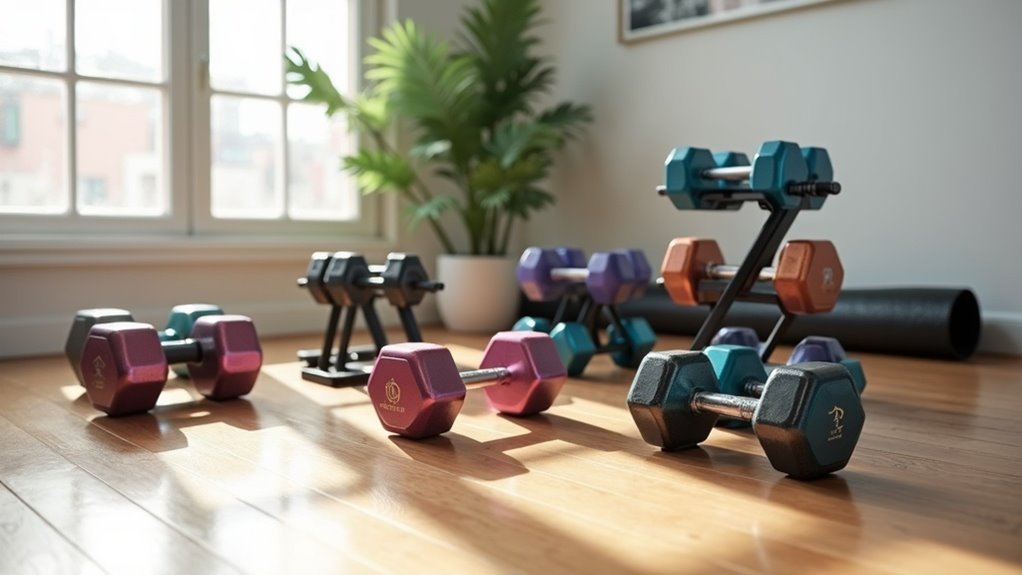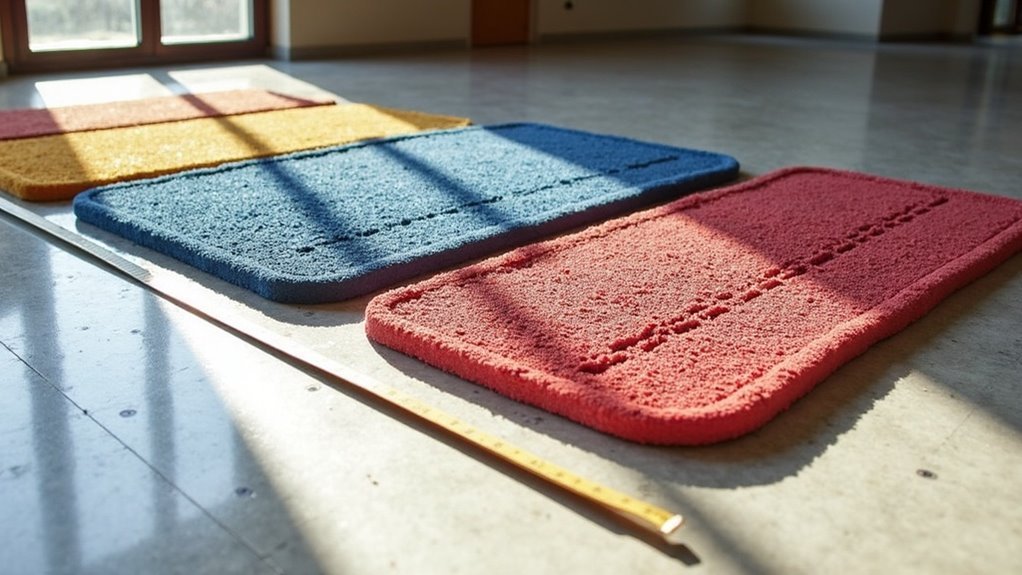
To choose the right thickness for your home gym stall mats, it’s essential to consider both your workout intensity and body weight. For general exercise routines, mats that are 3/4 inch thick are a solid option. If you’re focusing on strength training, opting for 1 inch thick mats is advisable. For those engaging in high-impact workouts, mats up to 2 inches thick provide added support. Thicker mats offer superior cushioning and protection against injuries, while also enhancing insulation for your home gym. Additionally, the material you select will influence your thickness choice. Explore more tips on optimizing your home gym experience and ensuring your flooring supports your fitness goals.
Key Takeaways
- Choose 3/4 inch thickness for general exercise areas and light activities to ensure comfort and support during your home workouts.
- Opt for 1 inch thickness in strength training zones where heavy equipment is used, as this provides better shock absorption for those intense lifting sessions.
- Select 1 to 2 inches for high-impact workouts like HIIT or plyometrics, which enhances cushioning and helps reduce the risk of injury.
- Consider using 1/2 inch mats for temporary setups or low-traffic areas, where less durability is needed, making them a great option for versatile home gym arrangements.
- Keep your body weight in mind; heavier individuals will benefit from thicker mats, which offer optimal support and insulation for a more comfortable workout experience.
Understanding Stall Mat Thickness Options
When selecting home gym flooring, it’s important to consider the specific needs of your workout routines and the type of flooring underneath.
Flooring thickness typically ranges from 1/2 inch to 2 inches, but for optimal comfort and support during exercise, aim for a thickness of 3/4 inch to 1 inch. Thicker flooring offers better shock absorption, which is crucial for reducing injury risk, especially during high-impact workouts.
If your gym is set up on concrete floors, opting for thicker flooring can provide additional insulation and support.
Take into account your weight and the intensity of your workouts; those who engage in more vigorous exercises may benefit from flooring that’s 1 inch thick or more to ensure effective cushioning and protection.
Factors to Consider When Choosing Thickness
When selecting gym mat thickness, consider your workout intensity and types of exercises.
For high-impact activities or heavier weights, thicker mats provide the necessary support and durability.
Additionally, think about comfort and insulation, as thicker mats can offer better cushioning and warmth during colder months, enhancing your home workout experience.
Weight and Activity Level
Choosing the right gym mat thickness depends on your weight and activity level, as these factors directly influence the mat’s ability to provide support and comfort during your workouts.
Heavier individuals or those engaging in high-impact activities, like weightlifting or high-intensity interval training (HIIT), benefit from mats that are 3/4 inch to 1 inch thick for optimal shock absorption.
Lighter individuals with lower activity levels may find 1/2 inch mats sufficient for their needs.
Thicker mats can also help prevent injuries by cushioning joints and feet, especially for those exercising on hard surfaces.
Consider your specific fitness goals and requirements to ensure you choose the most durable and effective flooring solutions for your home gym.
Comfort and Insulation Needs
To ensure your home gym provides maximum comfort and insulation, selecting the appropriate mat thickness is crucial.
Thicker gym mats, ranging from 3/4 inch to 1 inch, offer superior cushioning that alleviates pressure on your feet and joints, enhancing comfort during extended workouts. Their insulation properties help maintain warmth in your workout space, providing protection from cold floors and reducing the need for additional padding.
Furthermore, thicker mats enhance shock absorption, which is important for preventing injuries during high-impact exercises. They also ensure durability and longevity, resisting wear from constant use, while providing sound insulation that helps reduce noise and distractions during your workout sessions.
Recommended Thickness for Different Activities
Selecting the right thickness for home gym flooring is crucial for ensuring comfort and safety during various workouts. Here’s a quick guide to recommended thickness for different home gym scenarios:
- 3/4 inch for general exercise areas and light activities, providing adequate cushioning and support for bodyweight exercises.
- 1 inch for strength training zones and areas with heavy equipment, ensuring proper shock absorption and durability for weightlifting.
- 1 to 2 inches in high-impact zones or for intense workouts, offering additional cushioning to minimize injury risk during activities like jumping or running.
- 1/2 inch for temporary setups or low-traffic areas, though it may lack ideal comfort and protection for more vigorous workouts.
Benefits of Thicker Mats
When considering the installation of gym mats for your home workout space, choosing thicker options can significantly enhance safety and comfort for users. Thicker mats, typically ranging from 3/4 inch to 1 inch in thickness, provide superior cushioning and shock absorption, which greatly reduces the risk of injuries from slips and falls during exercise. They also offer better insulation, helping to maintain warmth in cooler environments while minimizing the need for additional flooring. Designed to withstand heavy foot traffic, thicker mats prevent buckling, ensuring durability and longevity for your home gym setup. Furthermore, their weight and density contribute to a non-slip surface, enhancing traction and stability during workouts.
| Benefit | Description | Importance |
|---|---|---|
| Superior Cushioning | Alleviates pressure on joints | Comfort for exercisers |
| Shock Absorption | Reduces injury risk | Safety during workouts |
| Insulation | Maintains warmth | Cost-effective flooring |
| Durability | Withstands heavy use | Long-lasting investment |
| Non-Slip Surface | Enhances traction | Prevents slips and falls |
Impact of Material on Thickness Choices
Choosing the right gym mat thickness is crucial for optimizing your home workout experience, as various materials provide distinct advantages and performance features.
Consider the following:
- Rubber Gym Mats: A minimum thickness of 3/4 inch enhances durability and shock absorption, making them ideal for high-impact exercises.
- Foam Mats: A thickness of 1 inch offers superior comfort and cushioning, perfect for yoga or extended floor workouts.
- Recycled Rubber Mats: Thicker options deliver enhanced durability and stability, catering to intense training sessions.
- Interlocking Mats: At least 3/4 inch thickness ensures a secure fit, preventing movement during workouts and improving safety.
Selecting the appropriate material and thickness combination is essential for maximizing the performance and comfort of your home gym mats.
Maintenance Considerations for Stall Mats
Maintaining home gym flooring is essential for creating a clean and safe environment for workouts. Regular cleaning involves quick vacuuming and damp mopping with a mild soap solution, making it easy to maintain.
Non-absorbent flooring prevents moisture and odors from seeping in, which reduces cleanup time after intense training sessions. Inspect flooring regularly for wear and tear to guarantee longevity and performance, minimizing potential safety hazards during workouts.
Additionally, flooring with non-slip surfaces enhances safety and decreases maintenance needs. Choosing interlocking designs allows for easy removal and replacement, supporting thorough cleaning while ensuring a safe space for your fitness routine.
Cost Implications of Thickness Selection
While it may be tempting to choose lower-cost options, selecting the right thickness for gym mats can significantly influence your overall expenses. Consider these cost implications:
- Durable Rubber: Thicker mats (3/4 to 1 inch) provide superior shock absorption, which can help prevent injuries and reduce healthcare costs related to workouts.
- Long-Term Savings: Investing in thicker mats means greater durability, leading to fewer replacements over time.
- Maintenance Costs: Thicker mats can minimize wear and tear, reducing the need for additional maintenance and replacement of other workout equipment.
- Safer Environment: They contribute to a safer workout space, helping to prevent slips and falls, ultimately supporting your health and fitness journey.
Ultimately, choosing the right thickness for your gym mats impacts your total cost of ownership, enhancing value and supporting your commitment to staying healthy through exercising at home.