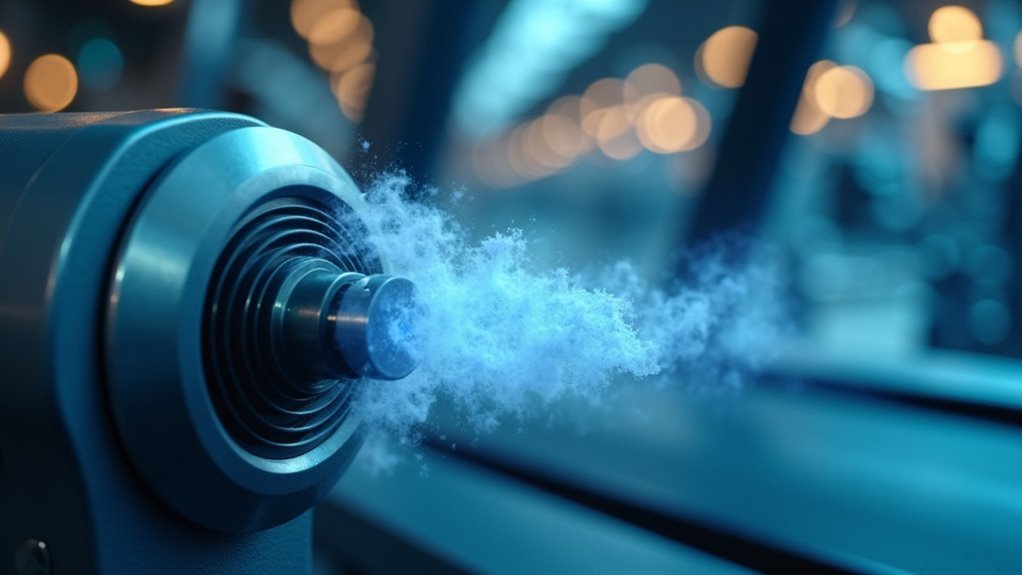
If your treadmill motor is overheating, it likely requires supplemental airflow to maintain optimal performance during your home workouts. Restricted ventilation can trap heat, leading to increased strain on the motor. To ensure proper airflow, make sure there’s at least 6 inches of clearance around your treadmill. If you start to notice burning smells, unusual noises, or frequent shutdowns, these are clear indicators that air circulation is inadequate. Enhancing ventilation is crucial for both the performance and longevity of your equipment. By understanding how to maintain proper airflow, you can significantly boost your treadmill’s efficiency and safety, allowing you to focus on achieving your fitness goals from the comfort of your home gym.
Key Takeaways
- Supplemental airflow is essential when your treadmill is placed in a confined space with limited ventilation, which can restrict air circulation around the motor.
- If the motor frequently exceeds 150°F (65°C), it’s important to implement additional cooling measures to prevent overheating and potential damage, ensuring your workout routine remains uninterrupted.
- Continuous use beyond the recommended duty cycle can lead to overheating, making it necessary to enhance airflow for effective motor cooling, so you can keep pushing towards your fitness goals.
- Dust buildup in the motor housing can obstruct airflow, making supplemental cooling vital for maintaining the ideal motor temperature and ensuring your equipment’s longevity.
- Consider installing external fans or maintaining at least 6 inches of clearance around your treadmill to improve airflow and cooling efficiency, helping you stay on track with your home workouts.
Common Causes of Treadmill Motor Overheating
When using your home treadmill, it’s crucial to be aware of the common causes of motor overheating to ensure optimal performance and longevity.
One significant factor is excessive friction resulting from an unlubricated running deck, which increases resistance and puts extra strain on the motor, leading to overheating.
Electrical issues, such as voltage fluctuations, can also be problematic, forcing the motor to draw more current and generating additional heat.
Moreover, dust and debris accumulating inside the motor housing can obstruct airflow, trapping heat and exacerbating the overheating issue.
It’s important to avoid continuous operation beyond the recommended duty cycle—typically over one hour—as this can further contribute to overheating.
Lastly, inadequate ventilation caused by poor placement of the treadmill can restrict airflow, increasing the risk of overheating.
Preventative Measures to Avoid Motor Overheating
To prevent motor overheating in your home gym treadmill, it’s crucial to adopt a series of proactive measures that enhance performance and prolong the lifespan of your equipment.
Start by conducting monthly inspections to ensure proper belt tension and alignment, which can significantly reduce strain on the treadmill motor. Lubricate the running deck every 150 miles or quarterly to minimize friction during workouts.
Conduct monthly inspections for belt tension and alignment, and lubricate the running deck regularly to reduce motor strain.
Regularly clean the motor compartment with compressed air to remove dust that can hinder cooling efficiency. To protect your motor, limit workout sessions to 45 minutes, allowing adequate downtime for cooling.
Additionally, maintain at least 6 inches of clearance around the treadmill to promote appropriate airflow. By following these steps, you can effectively prevent overheating and ensure your treadmill serves you well for years of home workouts.
Identifying Signs of an Overheating Motor
Recognizing the signs of an overheating motor is essential for maintaining your treadmill’s performance and ensuring your home workouts are effective and safe.
If you detect a burning smell, it’s a clear indicator of overheating issues that require immediate attention to avoid interruptions in your fitness routine.
Listen for unusual noises, like grinding or whining, which often signal internal struggles exacerbated by heat—these could affect your workout experience.
Frequent automatic shutdowns during operation are also serious warnings that shouldn’t be ignored.
If you see smoke or feel excessive heat from the motor housing, disconnect it from power immediately to prevent damage.
Regularly monitor motor temperatures; if they exceed 150°F (65°C), it’s time to inspect and clean the motor to cool it effectively, ensuring your equipment remains reliable for your home gym and fitness journey.
Step-by-Step Repair Tips for an Overheating Treadmill Motor
Overheating motors can seriously impact the performance of your treadmill and may even cause damage. To keep your home gym equipment in top shape, start by unplugging the treadmill and allowing the motor to cool completely.
Once cooled, remove the motor cover and use compressed air to clear out any dust that may obstruct airflow around the motor.
Next, check the alignment of the running belt and adjust the tension as needed. An improperly tensioned belt forces the motor to work harder, which can increase overheating.
To further ensure smooth operation, lubricate all moving parts with a silicone-based lubricant every 150 miles or quarterly; this will help reduce friction.
Lastly, inspect all electrical connections and replace any damaged components to ensure safe operation and optimal performance.
Keeping your treadmill well-maintained is essential for achieving your fitness goals at home!
When to Consult a Professional Technician
How can you tell when it’s time to seek help from a professional technician for your treadmill? If your motor consistently exceeds the ideal temperature range of 80-120°F (27-49°C), it may be experiencing overheating issues that need to be addressed.
Signs like burning smells, unusual noises, or frequent shutdowns are clear indicators that you should consult a professional immediately. If you’re considering improving ventilation but lack the necessary expertise, a technician can provide customized solutions to enhance your home workout experience.
Persistent overheating despite regular maintenance may signal underlying electrical problems that require professional diagnostics. Additionally, any modifications to the cooling system should be handled by an expert to ensure safety and optimal performance of your treadmill, allowing you to focus on achieving your fitness goals at home.