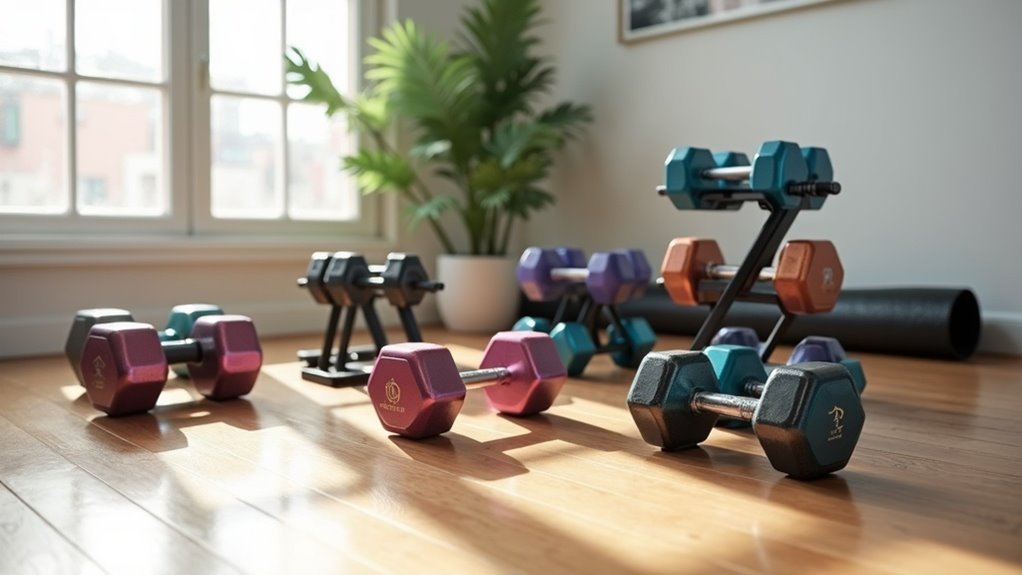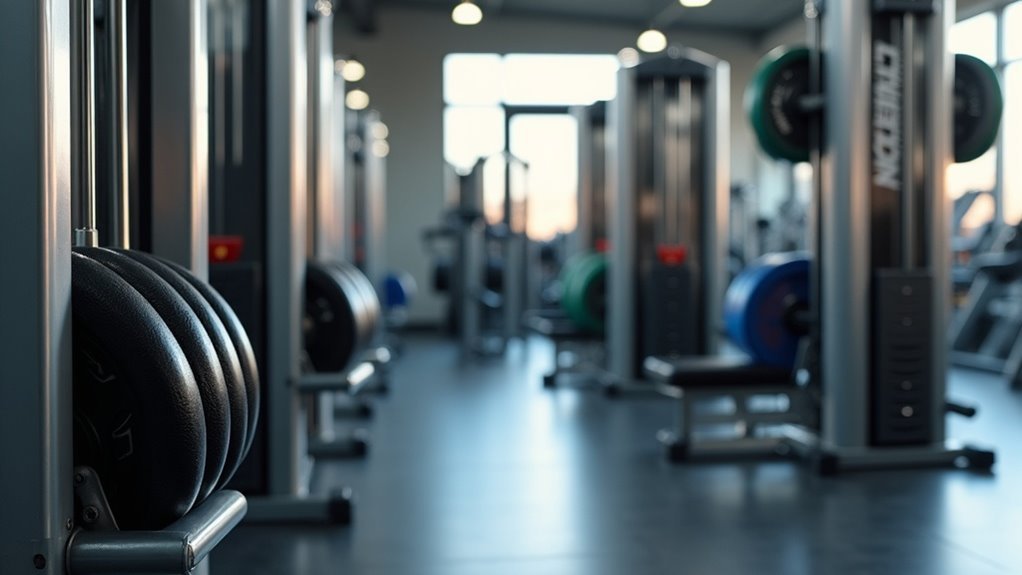
When comparing plate-loaded and weight stack machines for your home gym, it’s important to consider several factors: weight capacity, user-friendliness, maintenance, cost efficiency, and safety features. Plate-loaded machines typically support higher weights, making them a great choice for experienced lifters looking to challenge themselves. On the other hand, weight stack machines provide quick and easy adjustments, which can be particularly beneficial for beginners or those just getting started on their fitness journey.
In terms of maintenance, plate-loaded machines tend to be simpler and more durable, requiring less frequent repairs. From a budget perspective, you may find that plate-loaded options are more cost-effective, allowing you to invest in quality equipment without breaking the bank.
Safety is another important consideration; weight stack machines often come equipped with integrated safety systems to help reduce the risk of injury during workouts. By exploring these factors in detail, you can determine which type of machine best aligns with your fitness goals and home gym setup, ensuring a safe and effective workout experience for both men and women.
Key Takeaways
- Plate-loaded machines are designed to accommodate higher weight limits, making them an excellent choice for experienced home gym enthusiasts looking to push their limits.
- Weight stack machines provide user-friendly adjustments, making them perfect for beginners who want to focus on mastering their form and technique in the comfort of their own space.
- Maintenance tends to be easier for plate-loaded machines due to their fewer moving parts and simpler designs, which is beneficial for home gym owners seeking low upkeep equipment.
- From a cost-efficiency standpoint, plate-loaded machines are often more advantageous, especially for those who already own weights, as they offer greater versatility for a variety of workouts at home.
- Safety features in weight stack machines help reduce the risk of accidents, while plate-loaded machines require users to manage weights manually, which necessitates a bit more caution and awareness.
Weight Capacity Considerations
When considering weight capacity for home gym equipment, it’s crucial to understand the differences between plate-loaded and weight stack machines.
Plate-loaded machines typically accommodate higher weight limits, with options like CORTEX reaching up to 200kg, making them ideal for individuals looking to challenge themselves. In contrast, weight stack machines, such as the CORTEX FT40, generally cap at 180kg, with some allowing an additional 25kg.
Experienced lifters often prefer plate-loaded machines to push their limits, while beginners might focus more on mastering form and technique rather than maximum loads.
Ultimately, your choice should align with your individual strength levels and fitness goals, especially regarding the weight limits each machine can handle during advanced training sessions.
Whether you’re looking to build muscle or maintain a healthy lifestyle, selecting the right equipment will support your journey to staying fit at home.
User-Friendliness
User-friendliness is crucial for maximizing your home workouts, particularly for those just starting with weight training.
Weight stack machines shine in this regard, offering several advantages:
- Quick weight changes: With a simple slide of a pin into pre-set weights, you can minimize downtime and keep your momentum going.
- Ease of use: Beginners can effortlessly adjust weights without stepping away from the machine, helping to maintain workout efficiency.
- Less setup time: Unlike plate-loaded machines that require manual adjustments and extra storage space, weight stack machines provide a streamlined and hassle-free training experience, making them ideal for home gyms.
Staying healthy and fit at home has never been easier!
Maintenance and Durability
While both plate-loaded and weight stack machines are valuable tools for strength training at home, their maintenance and durability differ significantly.
Plate-loaded machines boast a straightforward design with fewer moving parts, resulting in less maintenance and greater durability—ideal for those looking to simplify their home gym experience.
On the other hand, weight stack machines feature more complex structures that necessitate regular care to prevent mechanical issues and ensure optimal performance. This complexity can make diagnostics and repairs more challenging.
To maximize the lifespan of weight stack machines, regular cleaning is crucial.
Ultimately, if you’re seeking hassle-free maintenance and durability for your home gym, plate-loaded machines may be the better choice for your fitness journey.
Cost Efficiency
Cost efficiency is a crucial consideration when selecting between plate-loaded and weight stack machines for your home gym. Here are some key points to keep in mind:
- Economical Options: Plate-loaded machines are often more budget-friendly, especially if you already own weights. This can be a smart choice for those looking to set up their home gym without breaking the bank.
- Budget Considerations: While a standalone weight stack machine may feature a straightforward pricing structure, it might limit the variety of exercises you can perform. For home gym enthusiasts, versatility is key to maintaining an engaging workout routine.
- Capacity for Growth: Plate-loaded machines provide greater flexibility, making them ideal for both beginners and advanced lifters. As your fitness journey progresses, you can easily adjust your workouts without the need for constant spending on new equipment.
When making your purchasing decisions, reflect on your fitness goals and prioritize a balance between initial costs and long-term growth potential in your home gym setup.
Safety Features
When considering safety features in home gym equipment, weight stack machines often stand out due to their secure and integrated weight systems.
This design minimizes the risk of accidents, as weights are less likely to fall or become dislodged during use, making them a safe choice for both men and women working out at home.
The secure design of weight stack machines significantly reduces the risk of accidents during home workouts for all users.
In contrast, plate-loaded machines pose a higher injury risk since you must manually change weights, increasing the chances of mishandling.
Additionally, regular maintenance on weight stack machines helps identify potential mechanical issues, further ensuring user safety.
Equipment like CORTEX cable machines, with their durable tubular steel frame, enhances stability, contributing to overall safety during your home workouts.