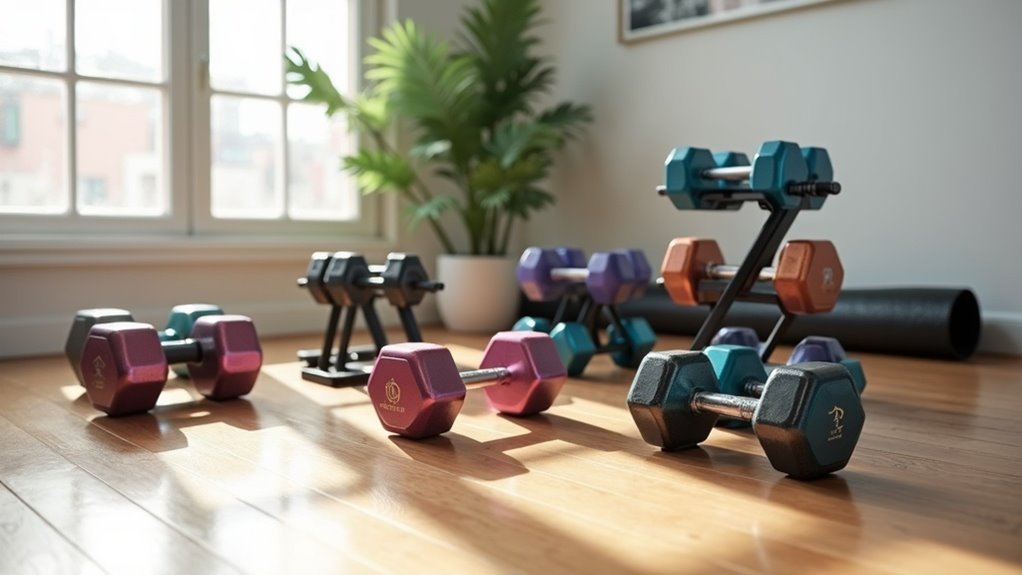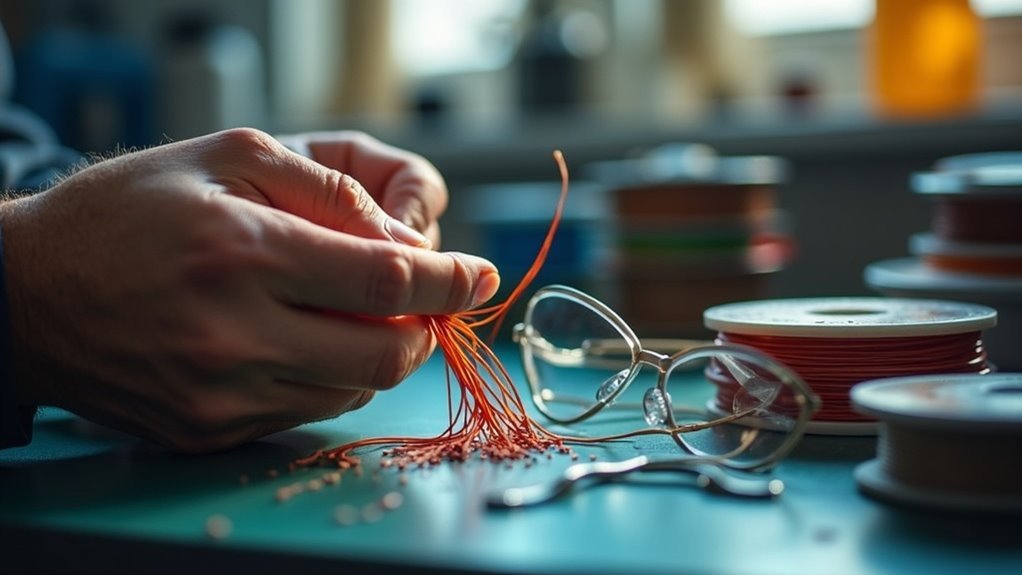
To replace a frayed cable safely on your home gym equipment, first unplug the device and inspect the damaged area. Use wire cutters to remove the frayed section and prepare a high-quality replacement cable that can withstand regular use. Secure connections with wire nuts or crimping tools, and insulate them with heat-shrink tubing and electrical tape to ensure safety during workouts. Check strain relief components to prevent future fraying, especially in high-movement areas. Finally, test the repaired cable with a multimeter to ensure it’s functioning properly and monitor for any abnormal behavior during your exercise routines. For detailed guidance on each step, continue exploring this topic to keep your home gym equipment in top shape.
Key Takeaways
- Always unplug your home gym equipment before inspecting or replacing a frayed cable to ensure safety from electrical shock while you focus on your fitness routine.
- Use wire cutters and strippers to remove the damaged section of the cable and prepare the new cable for installation, ensuring your equipment is in top shape for your workouts.
- Securely attach the new cable using crimping connections or wire nuts, and insulate with heat-shrink tubing and electrical tape to maintain safety and reliability during your exercise sessions.
- Check and replace strain relief components to prevent future fraying during cable movement, helping to keep your workout equipment functioning properly.
- Conduct a thorough inspection and test the equipment for continuity and proper function before regular use, ensuring a safe and effective workout experience at home.
Understanding Frayed Cables
Frayed cables can pose serious safety risks, especially when it comes to home gym equipment. Understanding their causes and implications is essential for maintaining a safe workout environment. Factors like rodent damage, surface friction, excessive bending, and environmental degradation contribute to wear and tear on cables connected to machines.
Exposed wires increase the chances of electrical shorts, electrocution, and fire hazards, which can derail your fitness routine.
While immediate replacement of frayed cables is the safest route, temporary fixes like electrical tape can offer short-lived insulation. To extend the life of your gym equipment cables, consider using shrink tubing for effective protection and ensuring proper strain relief to prevent breakage at stress points.
Regular inspections of your equipment help identify fraying early, allowing you to address issues before they escalate, ensuring both your safety and the integrity of your workout space.
Stay committed to your health and fitness goals by keeping your home gym equipment in top shape!
Signs of Cable Fraying
Recognizing the signs of cable fraying is crucial for maintaining your home gym equipment and ensuring your safety during workouts.
Keep an eye out for visible damage, such as exposed wires or cracks in the insulation; these issues require immediate attention. Discoloration or wear patterns on the outer sheath can also indicate deterioration.
If you notice that the cable feels unusually stiff or has kinks, it may be internally damaged. Be alert for unusual electrical behavior, like sparks or blown fuses, which could signal a problem.
A burning smell or excessive heat is a serious warning sign of frayed cables, posing electrocution risks. Don’t overlook these important indicators to keep your home gym safe and functional!
Safety Precautions Before Repairing
Before you begin any repairs on your home gym equipment, ensure that you unplug it from the power source to prevent any risk of electrical shock.
Carefully inspect the frayed area and the surrounding insulation, as any additional damage may require you to replace the entire cable.
Following these safety precautions will help ensure a secure and effective repair process, allowing you to get back to your workout routine safely.
Disconnect Power Source
Ensuring safety is paramount when setting up or maintaining your home gym equipment, and the first step is always to disconnect the power source for any electrical devices. This reduces the risk of electric shock and creates a safer working environment.
Follow these steps for a wide range of safety precautions:
- Unplug the device or disconnect from the power source.
- If working with hardwired connections, turn off the circuit breaker.
- Use a non-contact voltage tester to confirm the cable isn’t live.
Additionally, wear insulated gloves and safety goggles, and keep a fire extinguisher nearby to handle any potential hazards during your maintenance process.
Prioritizing safety will help you focus on achieving your fitness goals without unnecessary risks.
Inspect Cable Damage
Inspecting a frayed cable on your home gym equipment is essential for maintaining safety and ensuring optimal performance during your workouts.
First, make sure the power source is disconnected to avoid any risk of electrical shock while you inspect the equipment. Carefully examine the cable for visible damage such as exposed wires, abrasions, or cracks that could compromise its integrity.
Utilize a multimeter to test for continuity, ensuring that the cable isn’t carrying an electrical current before handling it. Additionally, be mindful of environmental risks, such as moisture or pests, that could potentially worsen the damage.
Always wear appropriate personal protective equipment (PPE), including gloves and safety glasses, to safeguard yourself during the inspection process.
Prioritize safety to create a secure workout environment and prevent any further hazards while exercising at home.
Tools and Materials Needed for Cable Replacement
To successfully replace a frayed cable on your home gym equipment, you’ll need specific tools and materials.
Gather wire cutters, wire strippers, a crimping tool, and a heat gun for the job, along with high-quality replacement cables that meet the original specifications of your equipment.
Don’t forget to have electrical tape, heat shrink tubing, grommets, and wire nuts on hand to ensure safe and secure connections.
Keeping your gym equipment in top shape is essential for maintaining your fitness routine at home.
Essential Tools Required
When it comes to maintaining your home gym equipment, ensuring everything is in top shape is crucial for safety and performance. If you need to replace a frayed cable on your gym apparatus, you’ll require some specific tools and materials for a proper repair. Here’s what you’ll need:
- Wire Cutters and Stripping Tools: These are essential for cutting out the damaged section of the cable and exposing fresh wire for connections.
- Crimping Tool: This tool will help you securely attach new connectors to the wire ends after you’ve cut away the frayed parts.
- Insulation Materials: Make sure to have electrical tape or heat shrink tubing on hand to protect and insulate the repaired areas, ensuring they remain safe during exercise.
Additionally, using grommets can provide strain relief for the cables, while wire nuts will help guarantee reliable electrical connections.
Having these essential tools ready won’t only make your cable replacement process smoother but also enhance the safety and functionality of your home gym equipment, allowing you to focus on your fitness goals.
Recommended Materials for Replacement
When preparing to replace a frayed cable in your home gym equipment, having the right materials at your disposal is crucial for a successful repair.
Begin with high-quality replacement cables from trusted suppliers like Gateway Cable Company, ensuring they’re suitable for your specific equipment. Equip yourself with essential tools such as wire cutters, crimpers, and heat shrink tubing to make the repair process smooth and efficient.
Additionally, gather wire nuts or connectors—blue wire nuts work particularly well for electrical connections.
To enhance the durability of your repair, don’t overlook the importance of a strain relief stopper or grommet, which will help prevent future fraying.
Lastly, have super glue or RTV on hand for securely attaching strain relief components, guaranteeing a sturdy fix that can endure the rigors of your workouts.
Always prioritize safety and quality to maintain peak performance in your home gym.
Step-by-Step Guide to Replacing a Frayed Cable
A frayed cable on your home gym equipment can pose significant risks, so addressing the issue promptly is vital for your safety and workout efficiency.
Follow these steps to replace the frayed cable safely:
- Cut the frayed wire at the damaged section for a clean cut, ensuring you have a safe working area.
- Route a new wire inside the cable housing, using crimping connections or wire nuts for secure attachment—this will help maintain the integrity of your equipment.
- Wrap the repaired areas with heat-shrink tubing and electrical tape for proper insulation, which is crucial for safety during your workouts.
If the strain relief is damaged, consider reusing it or purchasing a new one to ensure your equipment remains secure.
Finally, inspect the repaired cable to guarantee it moves freely without chafing against the housing, allowing you to focus on your exercise routine.
Safety first!
Testing the Repaired Cable
Once you’ve completed any repairs on your home gym equipment, it’s essential to thoroughly test it to ensure it functions correctly and safely.
Start by visually inspecting the entire piece for any remaining damage. Next, use a multimeter if applicable to check for continuity in any electrical components, ensuring everything operates smoothly without interruption.
Connect the equipment to its intended power source and monitor for unusual behavior, like flickering lights or intermittent operation. During initial use, pay attention to any overheating or strange smells, which could indicate further issues.
If the equipment fails any tests, discontinue use immediately and consider a complete replacement for safety. Prioritizing your health and safety while working out at home is crucial for an effective fitness routine.
Preventive Measures for Future Damage
To prevent future damage to your home gym equipment, it’s essential to regularly inspect cables for signs of wear and fraying, as early detection can greatly enhance safety during your workouts.
Here are three effective measures to implement:
- Use cable organizers or clips to keep equipment cables secured, preventing excessive bending or friction that could lead to damage.
- Avoid placing cables in high-traffic areas or tight spaces where they might be pinched or rubbed against sharp edges, ensuring a safer workout environment.
- Implement proper strain relief techniques during installation of gym equipment to minimize stress on cables at connection points, preserving their integrity.
When to Seek Professional Help
Regular inspections of your home gym equipment can help you catch wear and tear early, but sometimes damage is beyond DIY repairs.
If you notice frayed cables or damaged components on your equipment, it’s vital to seek professional help to prevent safety hazards such as malfunctions or injuries. Consult a professional if the equipment is essential for your workouts, as improper repairs can lead to significant risks.
Seek professional help for frayed cables or damaged components to avoid safety hazards and ensure effective workouts.
If you’re unsure about the repair process or lack the necessary tools, professionals ensure the job is done safely.
Additionally, when multiple pieces of equipment show signs of wear, a professional can identify underlying issues that may need attention to keep your home gym safe and effective.